
CATEGORY
Automation
Automation analyzes how systems and processes can reduce operational friction while preserving strategic control over business infrastructure.
INSIGHTS
Related Articles
 Technology changes how businesses operate. It does not remove the need for a clear offer, effective distribution, buyer response, and…
 Growth becomes messy when improvised operations are forced to carry volume, complexity, and expectations they were never designed to hold.
- Systems create leverage when they reduce repeated judgment and protect quality. They create drag when they formalize confusion.


Key Concepts
In Automation
These concepts describe the strategic foundations explored throughout the Insights section. Each page defines a principle that influences how companies design their market position, revenue model, and operational structure.


The structural design of positioning, monetization, and infrastructure that enables a company to grow sustainably and maintain strategic control.
Strategic Positioning
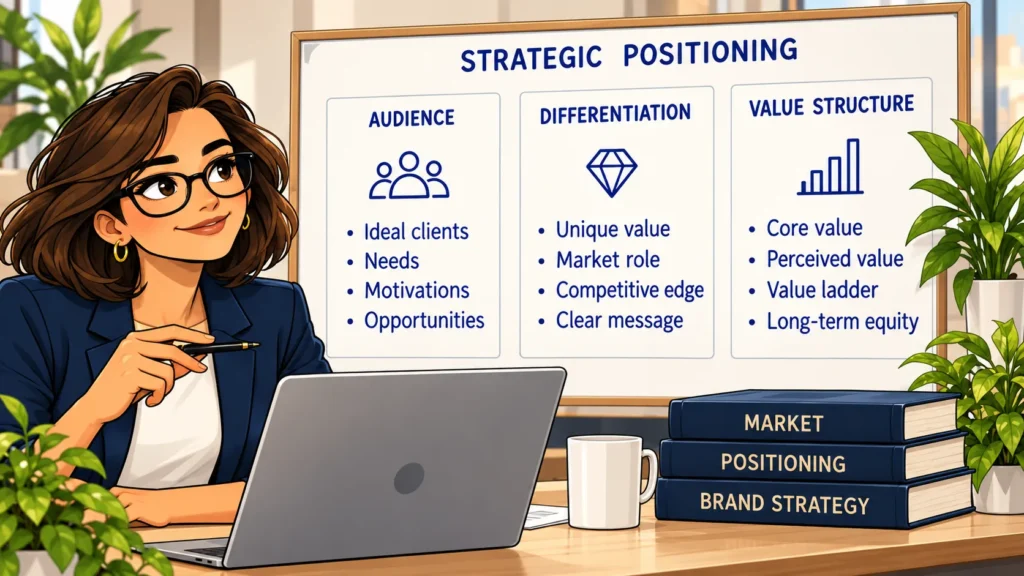
The deliberate definition of a company’s market role, differentiation, and value structure.
Monetization Architecture

The structure of offers, pricing, and revenue systems that transforms positioning into predictable income.
Decision Architecture

The way strategic communication and offer design guide clients toward confident, high-value decisions.