

POSITIONING
Positioning provides the intellectual foundation for monetization and infrastructure decisions that follow.
Scope of Work
Positioning engagements are structured around six core components.
01
Brand Clarity
We define the core identity of the brand and formalize its strategic stance.
This includes:
- Core positioning statement
- Brand thesis and promise
- Differentiation logic
- Authority signals
- Perception objectives
Brand Clarity ensures the brand communicates from a defined strategic position rather than evolving through informal interpretation.

Brand clarity defines the stance. Brand architecture preserves that stance across offers, extensions, and future growth.
02
Brand Architecture
We structure how the brand is organized across offers, sub-brands, or divisions.
This work addresses:
- Brand hierarchy
- Naming logic
- Relationship between master brand and extensions
- Structural simplification
- Category alignment
Brand Architecture creates consistency as the business expands.

Structure only works when it matches the buyer. Audience definition clarifies who the brand is designed for and what drives their evaluation.
03
Audience Definition
We define the audience the brand is intentionally built to serve and clarify the decision environment in which that audience evaluates alternatives.
This includes:
- Decision-maker profile
- Purchase context
- Motivations and priorities
- Evaluation criteria
- Authority expectations
Audience definition ensures alignment between positioning and real decision dynamics.

Once the audience is defined, language becomes a system. Verbal identity sets message priorities, vocabulary, and consistency across channels.
04
Verbal Identity
We develop the structured language system that expresses positioning.
This includes:
- Messaging hierarchy
- Value articulation
- Tone calibration
- Key message pillars
- Narrative structure
Verbal Identity translates strategy into consistent communication.

Meaning creates authority, and recognition sustains it. Visual identity translates positioning into a coherent, repeatable design system.
05
Visual Identity
We design a visual system that reinforces strategic positioning.
This includes:
- Visual direction
- Typography and color systems
- Design language principles
- Brand expression guidelines
Visual Identity ensures perception aligns with strategic intent.

A strong identity becomes scalable when it is governed. Brand guidelines formalize the standards that protect consistency over time.
06
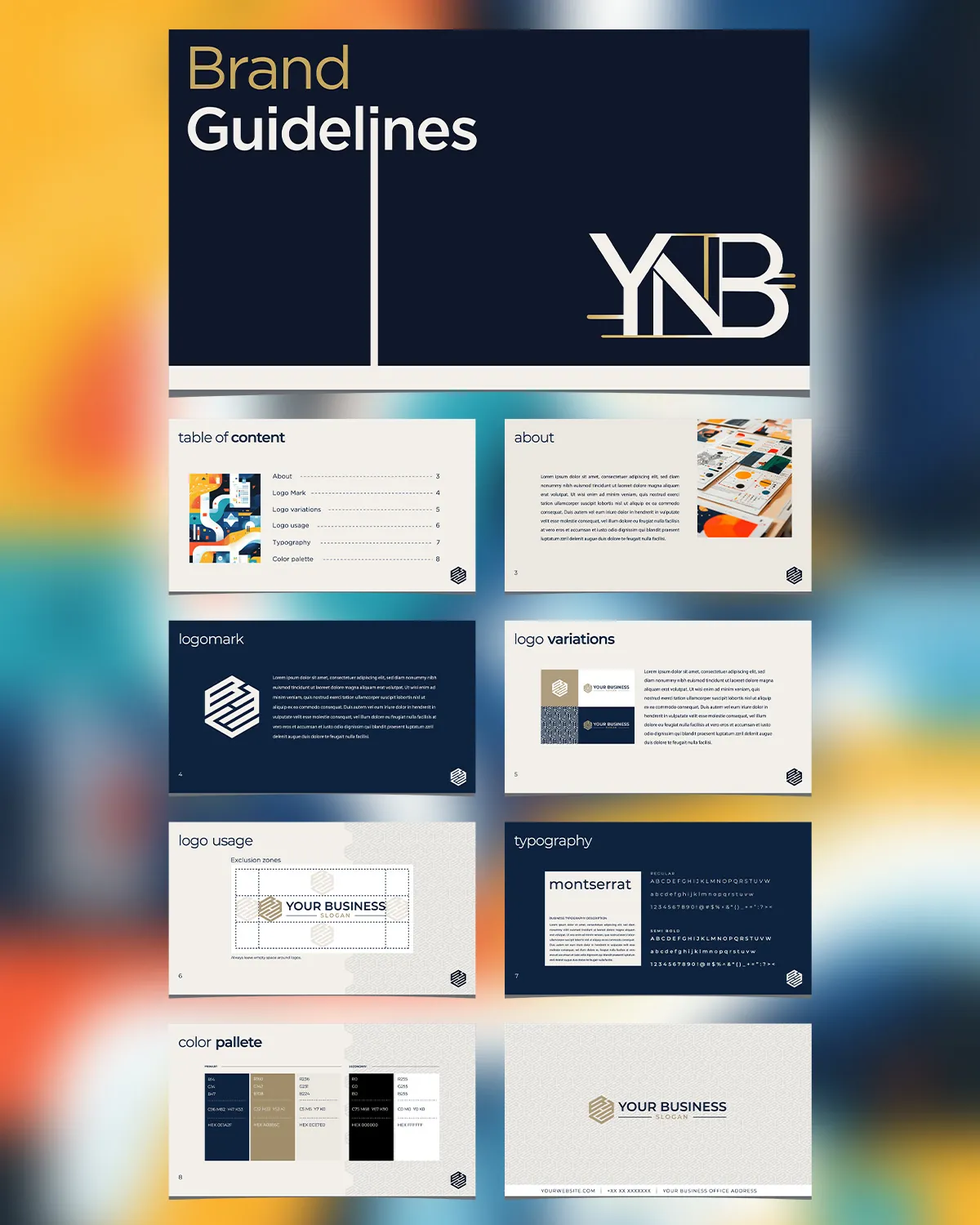
Brand Guidelines
We document the standards that govern brand usage across platforms and teams.
This includes:
- Positioning documentation
- Messaging standards
- Visual usage rules
- Internal alignment references
Brand Guidelines protect coherence as the business scales.
Strategic Impact
Clear positioning strengthens authority perception, supports confident pricing, improves communication precision, and preserves consistency across growth phases.
It establishes the strategic clarity upon which Monetization and Infrastructure are built.
Inquire About Positioning