SERVICES
Infrastructure
Infrastructure ensures that acquisition, conversion, delivery, and retention operate within a controlled and scalable environment.
OUR APPROACH
Scope of Work
Infrastructure engagements are structured around seven core components.
01
Content System Architecture
We design how content is structured, organized, and distributed within the broader system.
This includes:
- Content categorization logic
- Structural relationship between content and offers
- Publishing workflows
- Long-term content scalability
Content System Architecture ensures that content supports authority, acquisition, and conversion without fragmentation.

Content structure governs how information is understood over time. Web architecture governs how that structure is navigated, experienced, and converted into action.
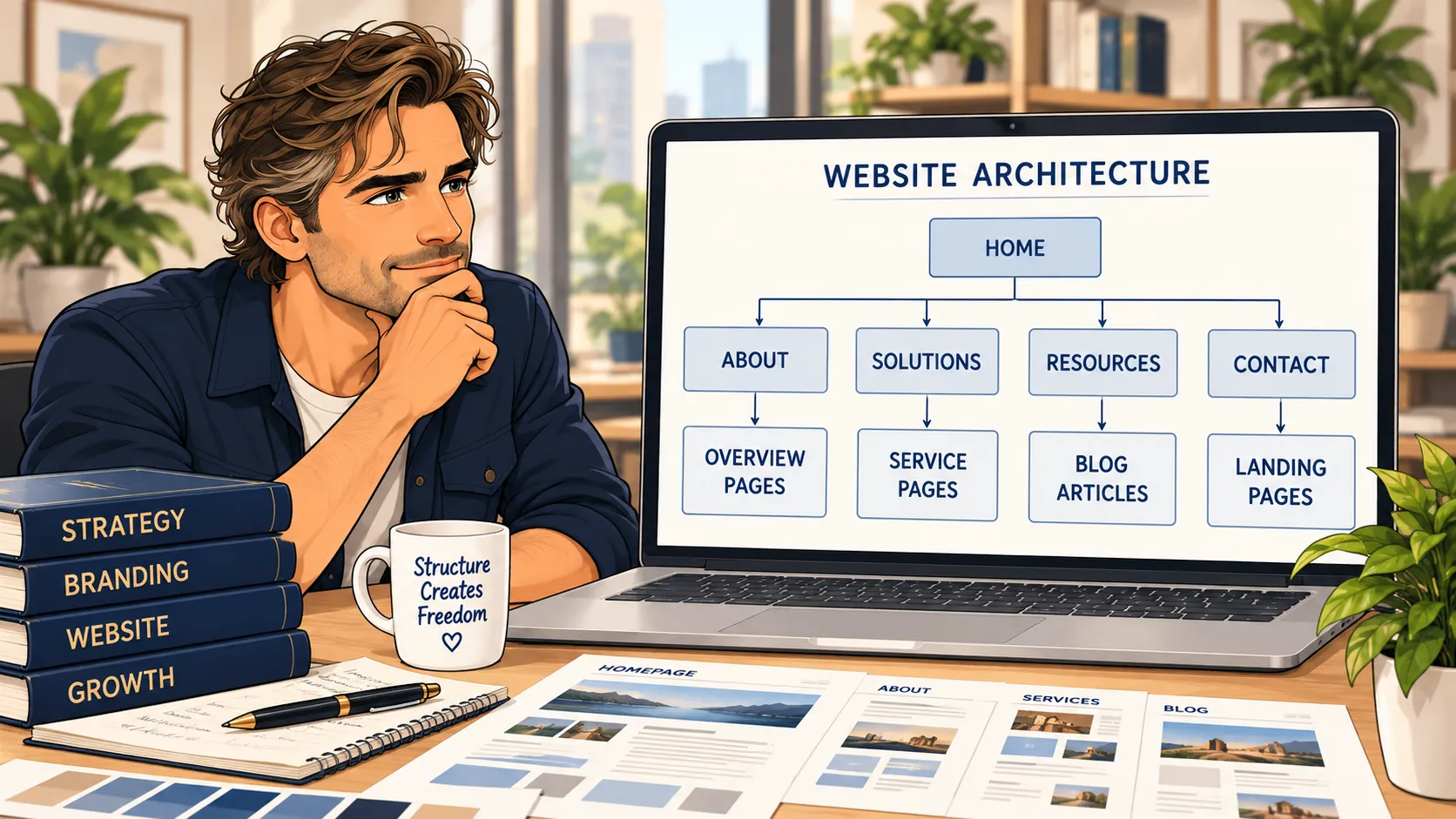
A clear web architecture requires a system that can actually sustain it. CMS implementation ensures the site remains modular, editable, and scalable without structural decay.
02
Web Architecture
We define the structural design of the web environment so that navigation, messaging, and conversion logic reinforce strategic positioning.
This includes:
- Site structure planning
- Page hierarchy
- Conversion path clarity
- User journey architecture
- Role-based access environments where required
Web Architecture ensures coherence between user experience and strategic intent.
03
CMS Implementation
We implement the technical framework that governs content management and operational flexibility.
This includes:
- CMS selection and configuration
- Modular content structures
- Custom fields and dynamic logic
- Scalability considerations
- Governance standards
CMS Implementation ensures long-term control and adaptability.

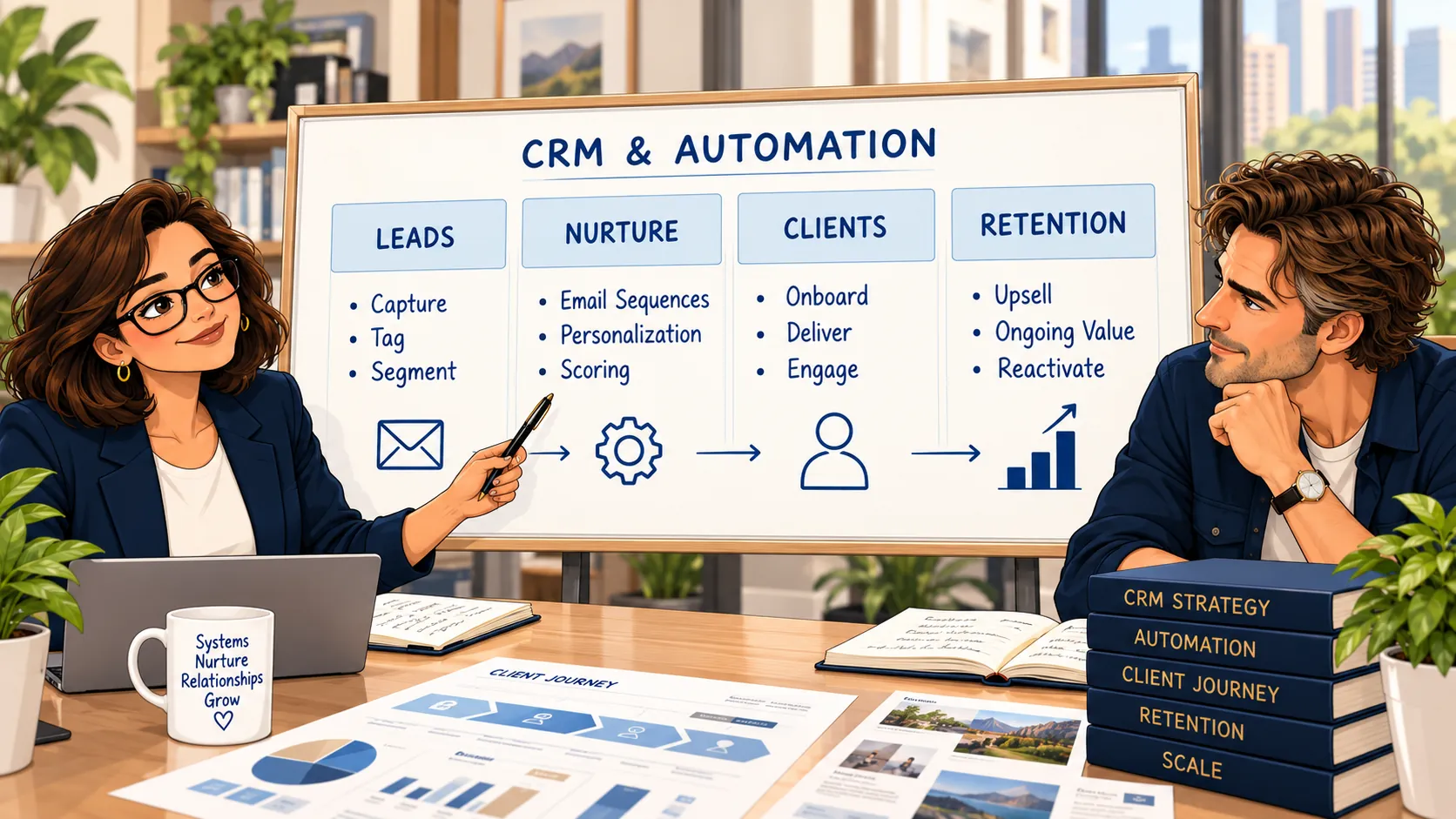
Once content and platform structure are stable, lifecycle operations can be engineered. CRM and automation architecture formalize how leads become clients and how engagement is maintained over time.
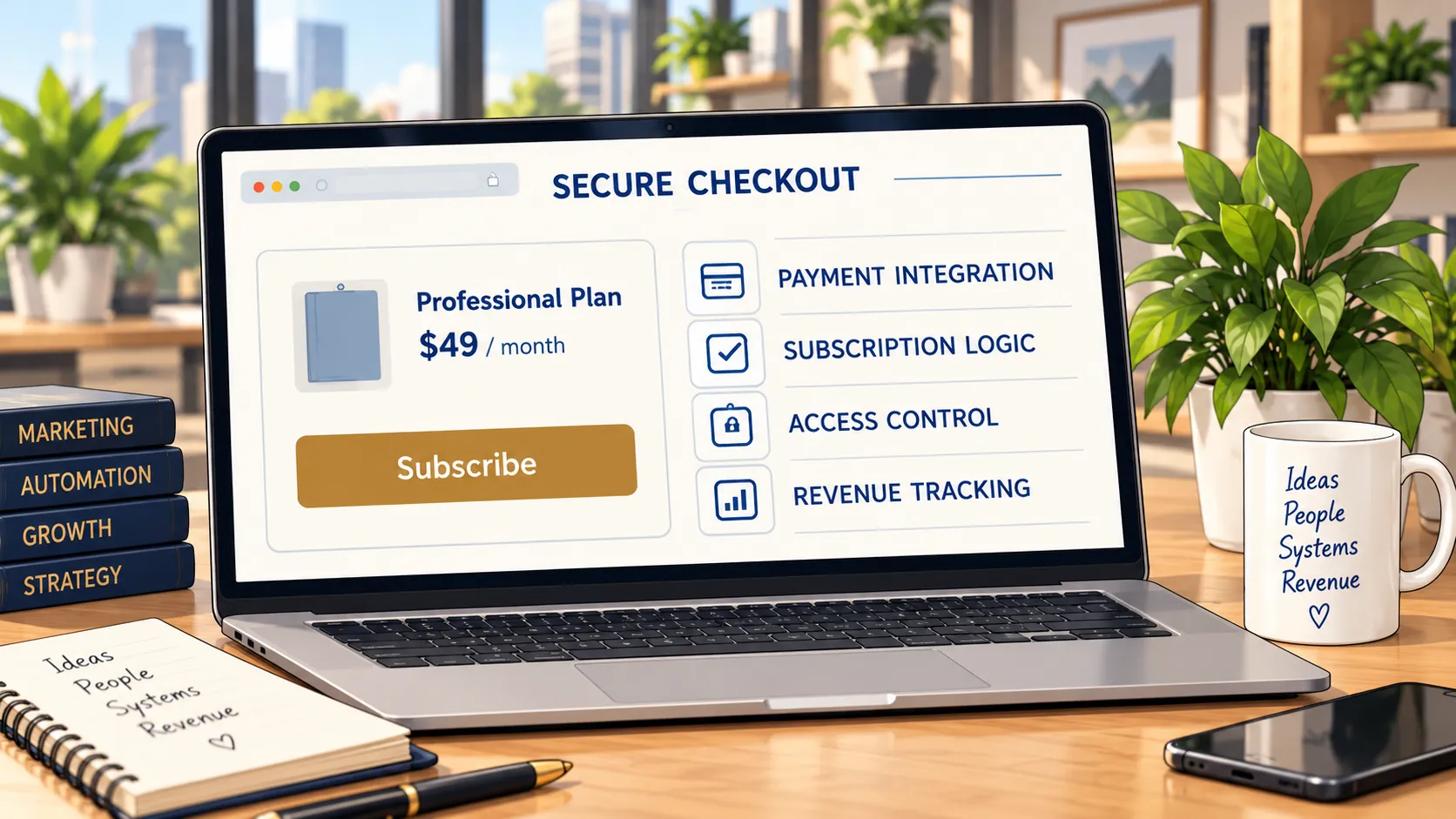
Automation creates continuity, but revenue requires execution points. Sales engine implementation connects systems to checkout, access logic, and measurable transactions.
04
CRM & Automation Architecture
We design the lifecycle systems that manage leads, clients, and ongoing engagement.
This includes:
- CRM structure design
- Tagging and segmentation logic
- Automation sequencing
- Lifecycle management workflows
- Data architecture
CRM & Automation Architecture creates continuity between acquisition, conversion, and retention.
05
Sales Engine Implementation
We implement the structural components that support revenue generation within the digital environment.
This includes:
- Checkout systems
- Subscription logic
- Payment integration
- Role-based access systems
- Revenue tracking alignment
Sales Engine Implementation ensures that monetization architecture is operationally executable.
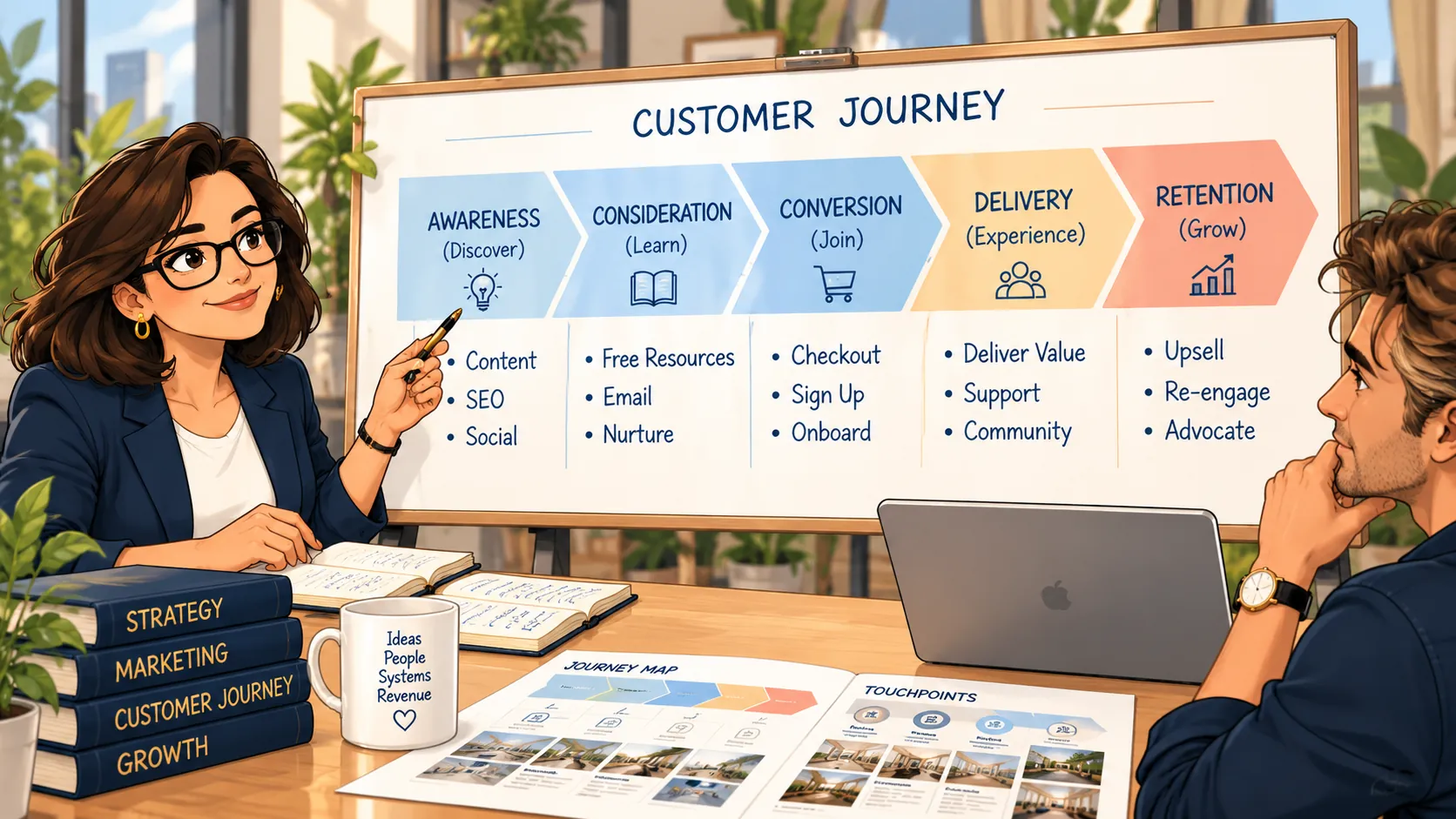
With conversion infrastructure in place, sequencing becomes a design decision. Funnel sequencing structures entry points, progression logic, and offer alignment across the customer journey.
As the system expands, control becomes strategic.
06
Funnel Sequencing
We structure acquisition and conversion flows within the broader system architecture.
This includes:
- Funnel mapping
- Entry point logic
- Conversion sequencing
- Offer alignment
- Behavioral progression paths
Funnel Sequencing integrates marketing logic into operational systems.
07
Platform Ownership & Control
We design systems with long-term independence and structural control in mind.
This includes:
- Platform selection strategy
- Data ownership
- Migration flexibility
- Technical governance
- Risk mitigation
Platform Ownership protects strategic autonomy as the business grows.

Platform ownership ensures data, portability, and governance remain assets rather than constraints.
THE OUTCOME
Strategic Impact
Well-designed infrastructure increases operational efficiency, strengthens control, improves scalability, and reduces dependency risk.
It establishes the systems that sustain positioning and monetization under growth.